
A colleague of mine recently asked one of my former students why she was taking so long to throw away her lunch. She told him she was separating compost items from her landfill waste and double-checking signs to make sure everything went into the right bin. He laughed, telling me the story and sharing that he’d noticed the same habit in several of my former students. They were carrying it with them.
My name is Noelani Ogasawara Morris and for the past three years, I have had the privilege of serving as an EcoRise Teacher Ambassador at UCLA Lab School in Los Angeles. This experience has transformed my teaching practice and the way my first- and second-grade students see themselves as environmental leaders and changemakers. I’ve learned when young people are given real problems, real resources, and real trust, they don’t just learn about the world. They start to change it.
As an Ambassador, I facilitate professional development workshops for educators, introducing them to ways to bring authentic, student-centered environmental investigations into their classrooms using EcoRise’s resources. A highlight of this work has been supporting my students in securing two Student Innovation Grants, which allowed them to turn their ideas into action. These projects exemplify the power of student-driven learning grounded in real-world problem solving.
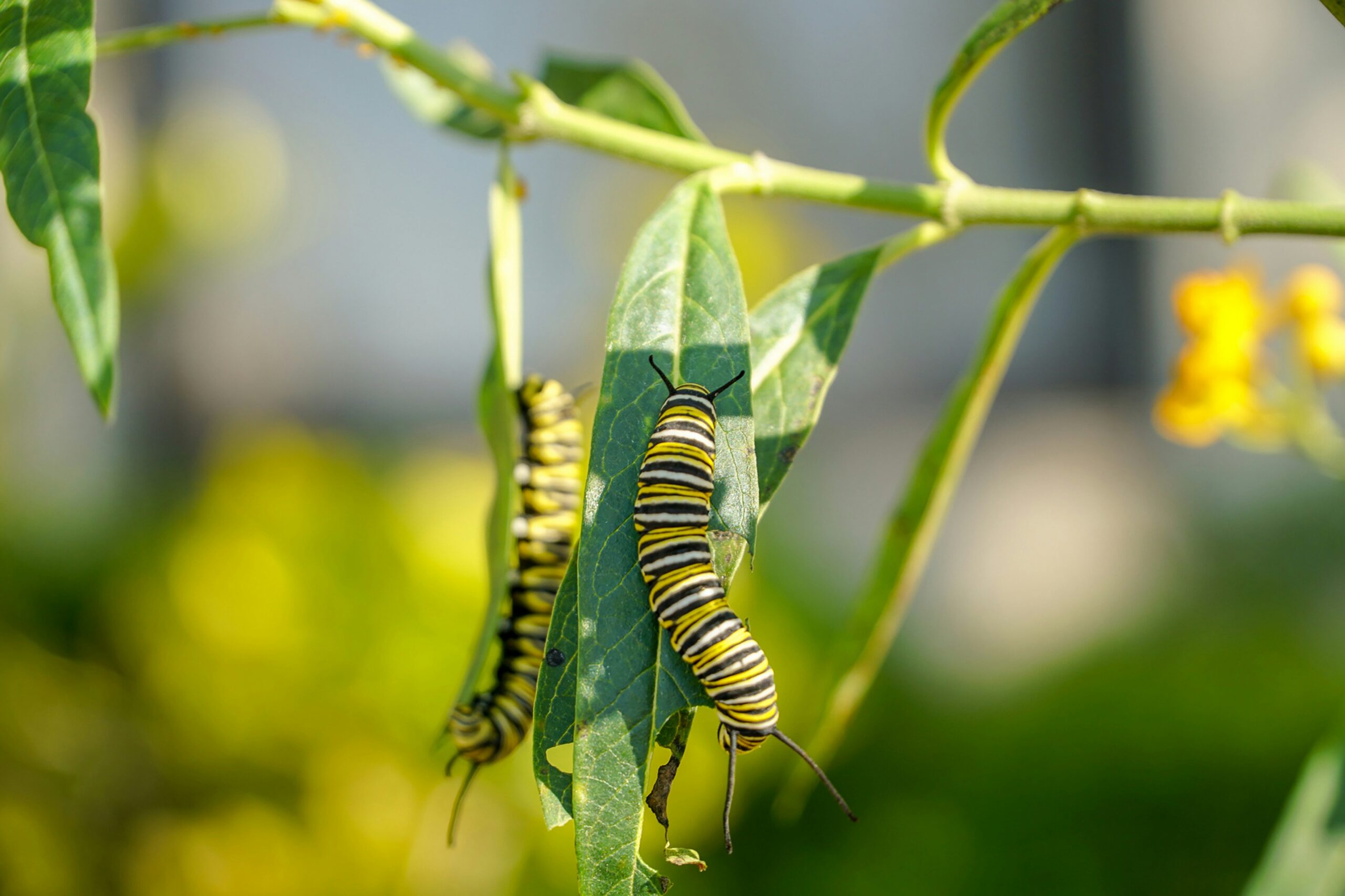
For our first Innovation Grant, students conducted a biodiversity survey of our campus and identified a shortage of pollinators. In a city as densely built as Los Angeles, where green space is unevenly distributed across neighborhoods, that shortage wasn’t surprising, but it was something students wanted to address. They researched native plants and used grant funds to cultivate a native pollinator garden. With plants such as milkweed and apricot mallow, they transformed our Piazza into a thriving habitat. Excitement built as students caught their first glimpse of tiny, striped caterpillars munching on milkweed. What started as just one or two quickly grew to ten, then twenty. The garden they built was working. We ended up having to buy more plants just to keep up.
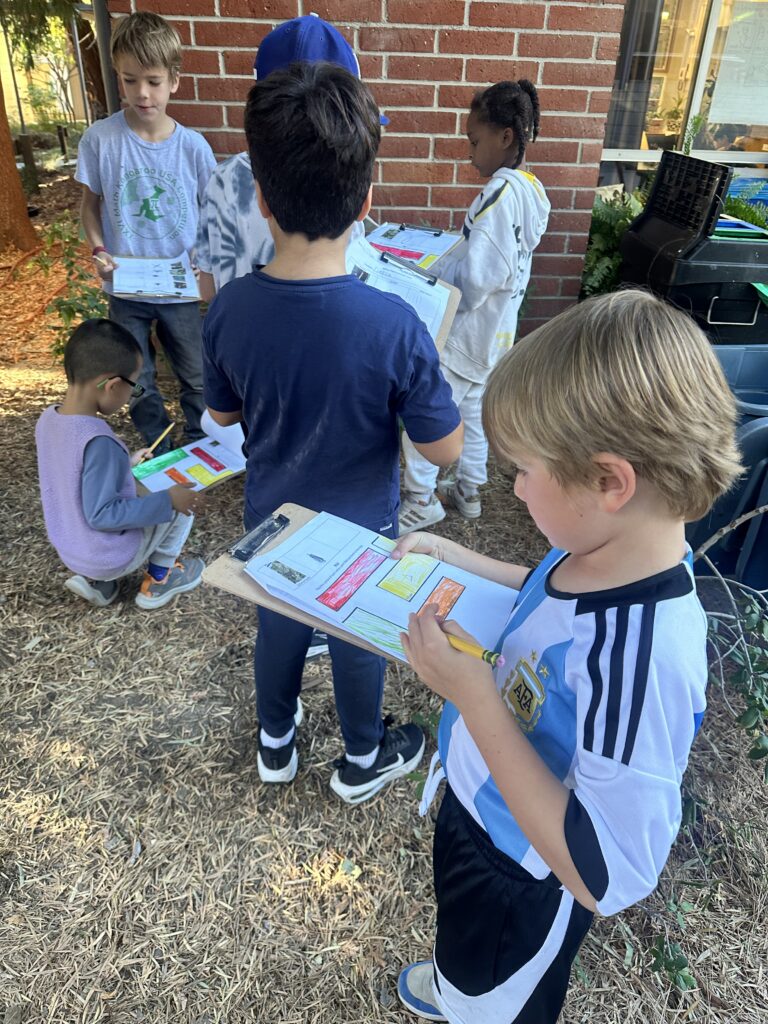
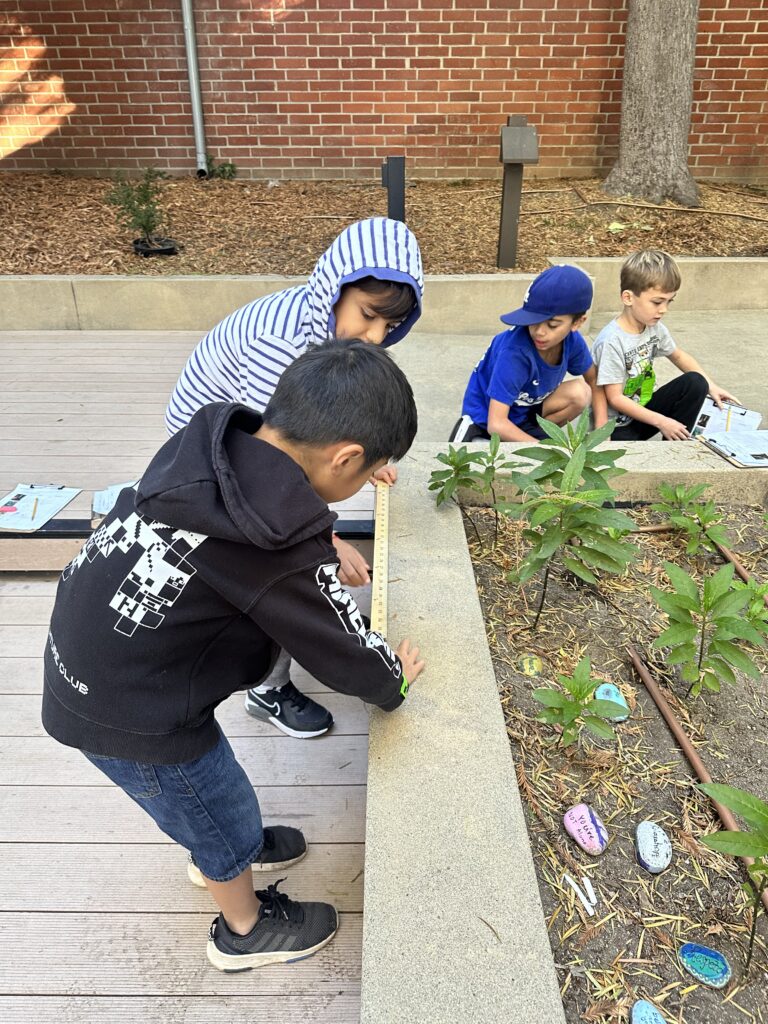
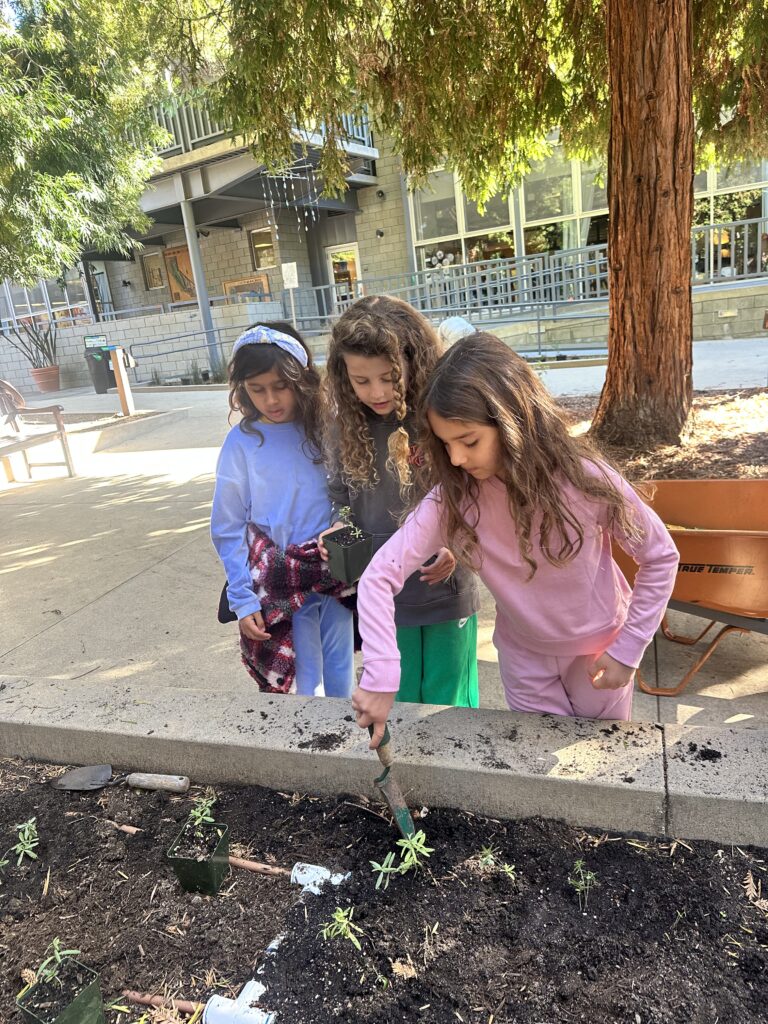
In a second Innovation Grant, students examined waste patterns on campus as part of a math inquiry unit. After noticing the volume of waste created on campus, they questioned why we were using single-use gloves to clean it up. They worked together to design a more sustainable solution. With the grant funds, they purchased reusable trash grabbers, gloves, and sorting buckets, and developed a weekly community clean-up routine for shared outdoor spaces. This initiative fostered not only environmental stewardship but also a strong sense of collective responsibility.
These projects were not hypothetical exercises; they were community solutions and students experienced the impact of their ideas firsthand. Families have echoed these shifts, sharing how classroom conversations are influencing habits at home, such as reducing processed foods, minimizing packaging waste, and prioritizing ingredients that come directly from nature. While these actions may seem small, they are clear indicators of growing agency.
If you’re a teacher who has wondered whether your students are ready for this kind of work, I’d encourage you to trust them sooner than feels comfortable. Three years ago, I wasn’t sure what would happen when I handed my students a real problem and real resources. What I know now is that they were waiting for that invitation. I’ve been able to seamlessly integrate concepts of environmental sustainability across subjects, including literacy and math. The EcoRise curriculum made that possible, with tools differentiated across grade levels and built to meet students where they are and connect learning to their everyday lives. That story about my former student? That’s what it looks like when the invitation lands.
 Explore EcoRise’s curriculum and grants to bring this work into your classroom. And if you’re moved by what students like Noelani’s are doing, consider supporting the teachers and students making it happen.
Together, #WeRise!