
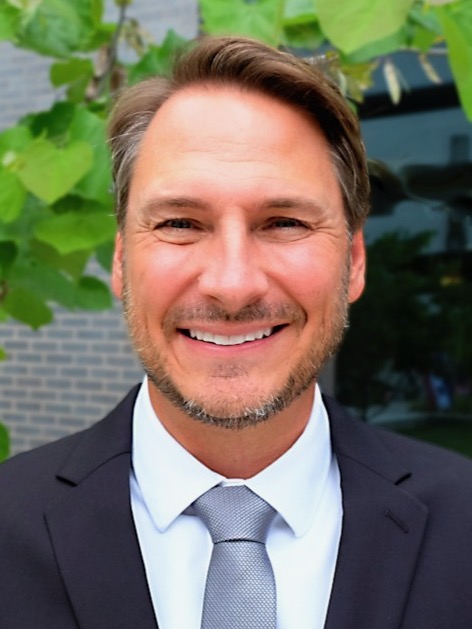
”This is more than an educational program — it’s leadership training for the next generation of problem-solvers. This program reinforces the idea that youth voices need to be at the center of climate solutions and it gives me hope to see young leaders stepping up to the challenge.
Zach Baumer, Director of Austin Climate Action and Resilience
A Year of Partnership, Leadership, and Local Action
What counts as climate action? It’s a question the Austin Youth Climate Council sat with all year. They crafted different answers depending on the day. Some days it looked like pulling water samples from Austin waterways and carrying the data into a meeting at the Capitol. Some days it looked like stocking shelves at a food pantry, weeding in a vegetable garden, or pressing a button on an app to log a plant species along Lady Bird Lake.
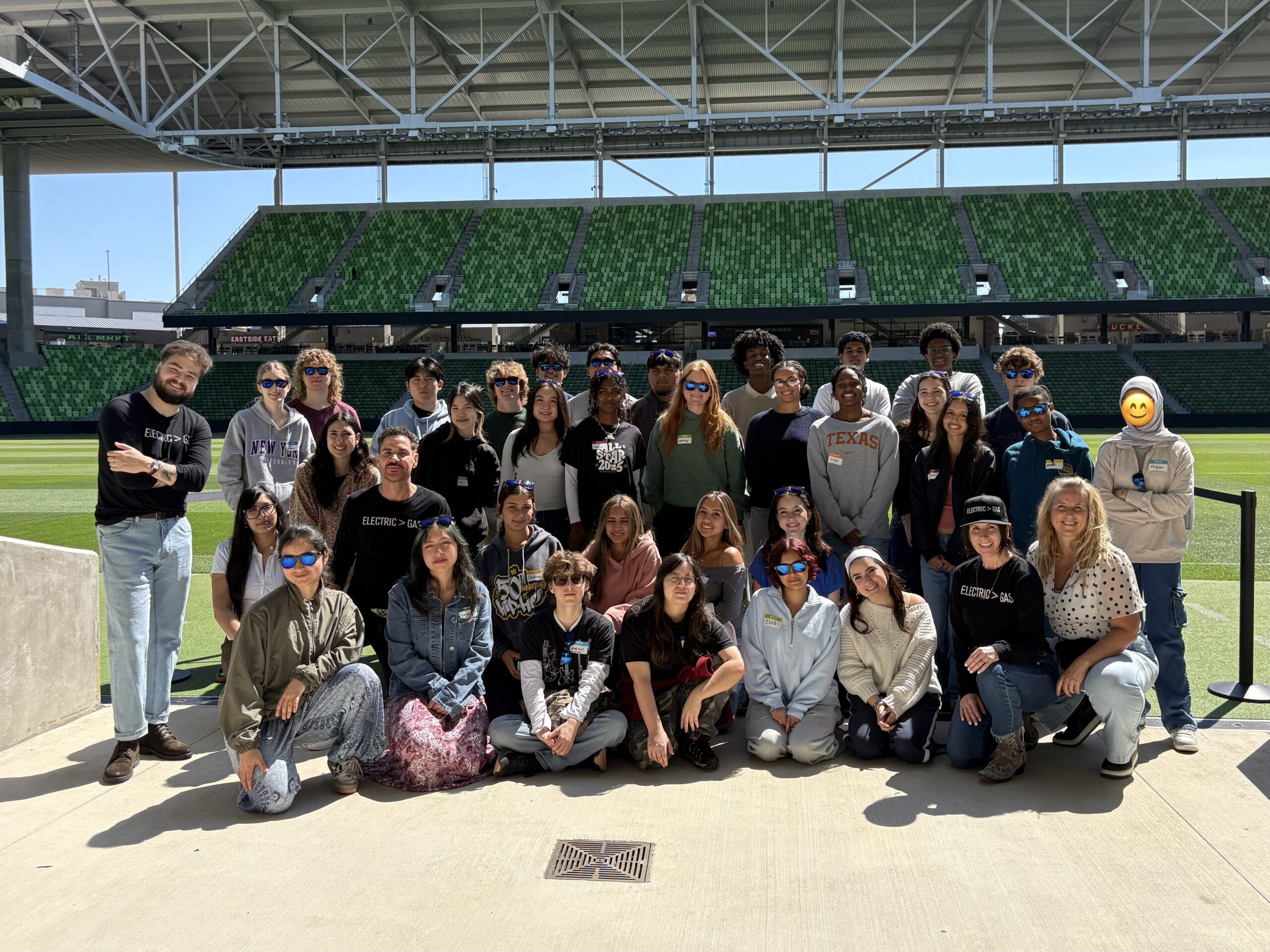
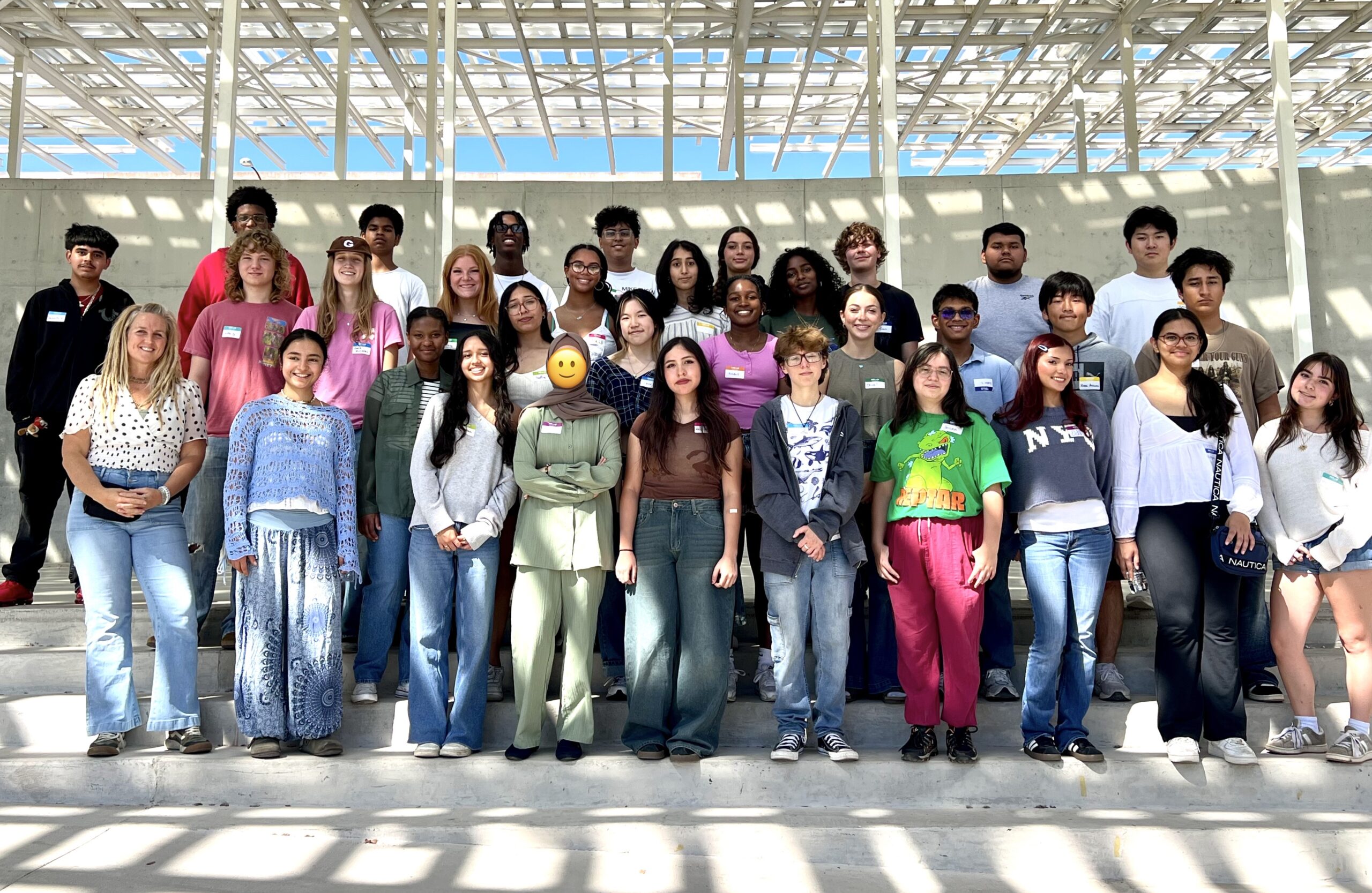
This year, 39 students from 17 Austin-area schools joined the Council and spent the year exploring the variety of forms climate action can take and defining their role in it all. Representing nine of Austin’s ten City Council districts and earning $17,000 in total stipends, they worked alongside six community organizations whose missions stretch across food access, environmental advocacy, urban ecology, energy data, and mutual aid. By year’s end, 90.9% reported feeling more civically engaged, and 85.7% said the experience deepened their interest in pursuing a career in sustainability or climate action.
“The Youth Council has helped me be more confident and encouraged me to be a leader in a room.”
25–26 Austin Youth Climate Council Member
This year also marked the launch of the Rising Leader Co-Chair role, a new opportunity for returning members who have spent 3+ years in the program to step into their next level of mentorship, help shape the Council’s direction, and support their peers throughout the program year. Meet the teams and the organizations they worked alongside this year in the sections below.
🌟 Rising Leaders: Council Co-Chairs
This year, EcoRise formalized a new role within the Austin Youth Climate Council: the Rising Leader Chair. Designed to recognize and invest in returning members who have spent years building relationships and deepening their practice, the role asked two experienced Council members to serve as Co-Chairs, support newer members, and bring their leadership into sharper focus.
Annika (she/they), 17
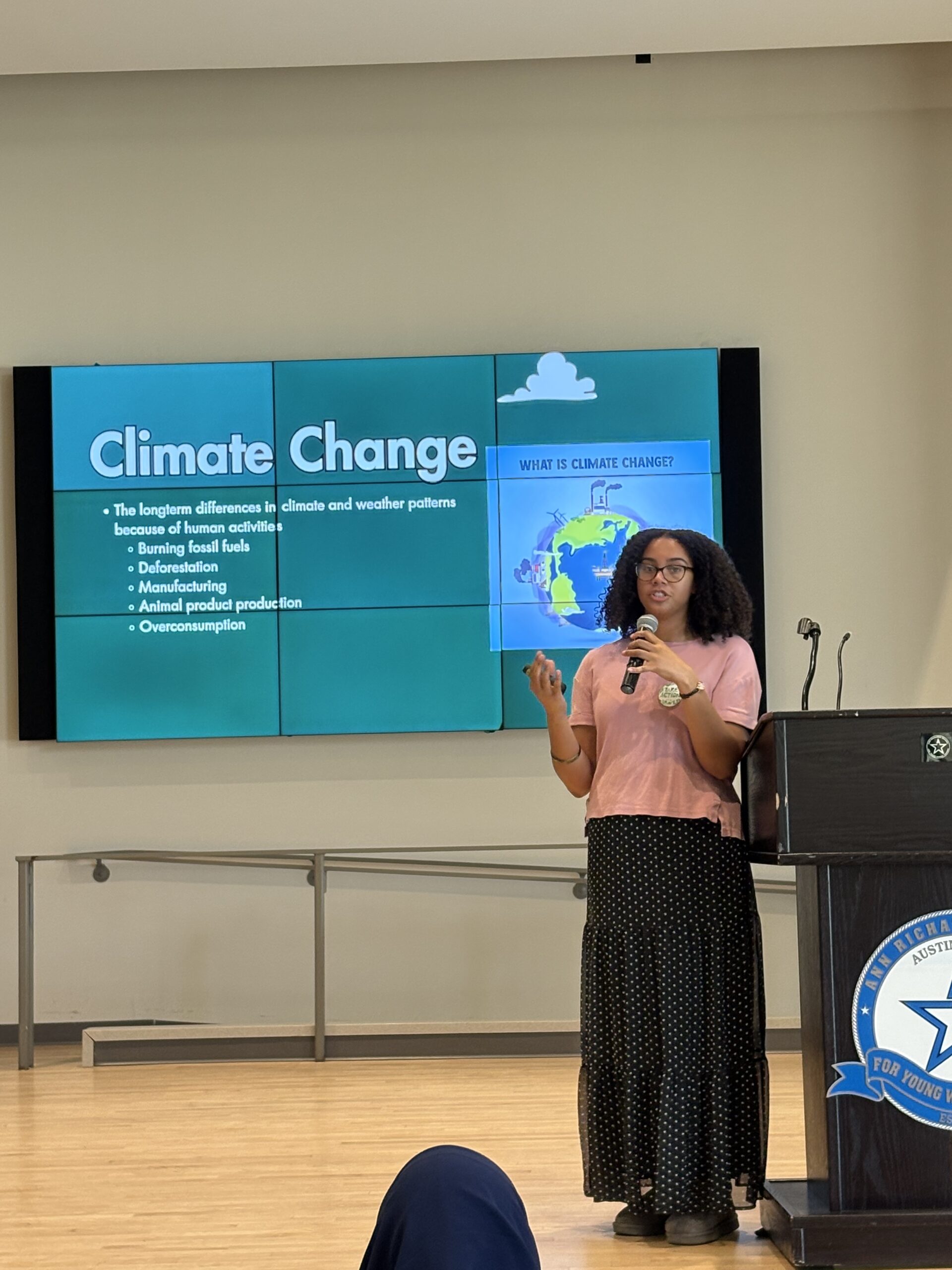
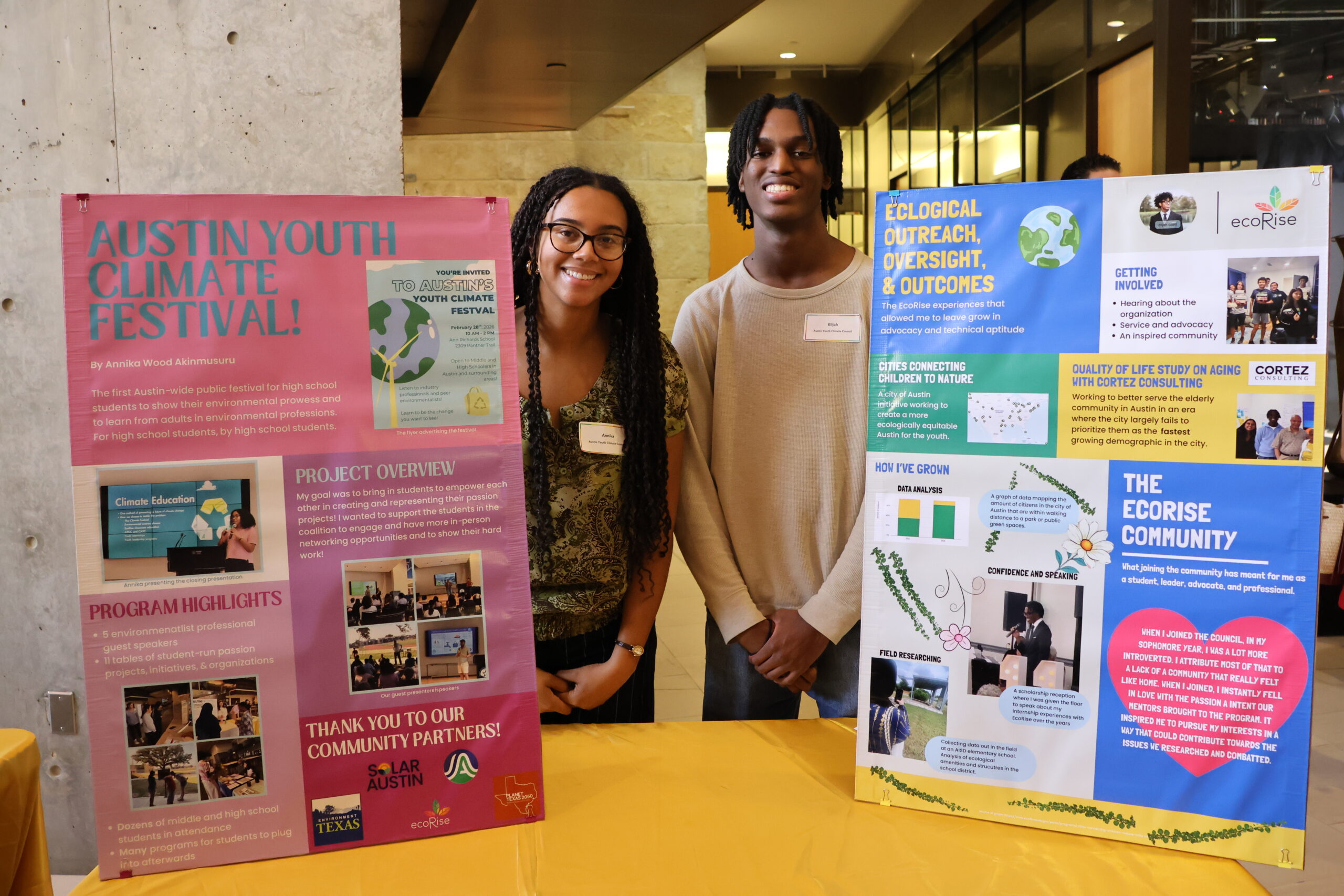
Annika joined the Council as a high school freshman with sustainability already part of who she is. Her grandmother had taught her to garden and introduced her to grassroots solar organizing, but it was the Council that helped her find her voice as an activist. Her sophomore year, working with community organizers at PODER was the first time she felt like a fully fledged environmentalist. Each year since has added another layer: a Green Careers Internship launching a reusable container initiative, a summer at Columbia’s Green Mountains Program, a climate and arts day at the Ann Richards School. This year, as Co-Chair, she brought that same organizing instinct to the inaugural Austin Youth Climate Festival, the first Austin-wide public event for high school students to share environmental passion projects and connect with professionals working in climate fields. She recruited five professional speakers, coordinated eleven tables of student-run projects and organizations, and drew in students from well beyond the Council’s own ranks. Annika is headed to college this fall to study biochemistry and environmental science, with plans to pursue a doctorate in natural carbon sequestration. Read her story in her own words.
Elijah (he/him), 17
Elijah joined the Council three years ago looking for the kind of community he didn’t have yet. As Co-Chair, he became the one building that sense of belonging for newer members — an attentiveness that also shows up in the research he chose to pursue this year. Working with the City of Austin’s Cities Connecting Children to Nature initiative, he analyzed ecological amenity data across AISD elementary schools, conducted field research, and mapped how many Austin residents live within walking distance of parks and green spaces. As a Green Career Intern last summer, he also partnered with Cortez Consulting on a quality of life study examining how Austin’s rapidly growing elderly population is underserved by the city’s infrastructure, supporting data collection and community outreach efforts aimed at improving services for older residents. His project choices centered communities the city has been slow to prioritize, and both required him to show up in the field, gather real data, and bring it somewhere it could matter.
“In my sophomore year, I was a lot more introverted. I attribute most of that to a lack of a community that really felt like home. When I joined the Council, I instantly fell in love with the passion and intent our mentors brought to the program. It inspired me to pursue my interests in a way that could contribute towards the issues we researched and combatted.”
Elijah Scott, Austin Youth Climate Council
💧 Environment Texas: Protecting Austin’s Waterways
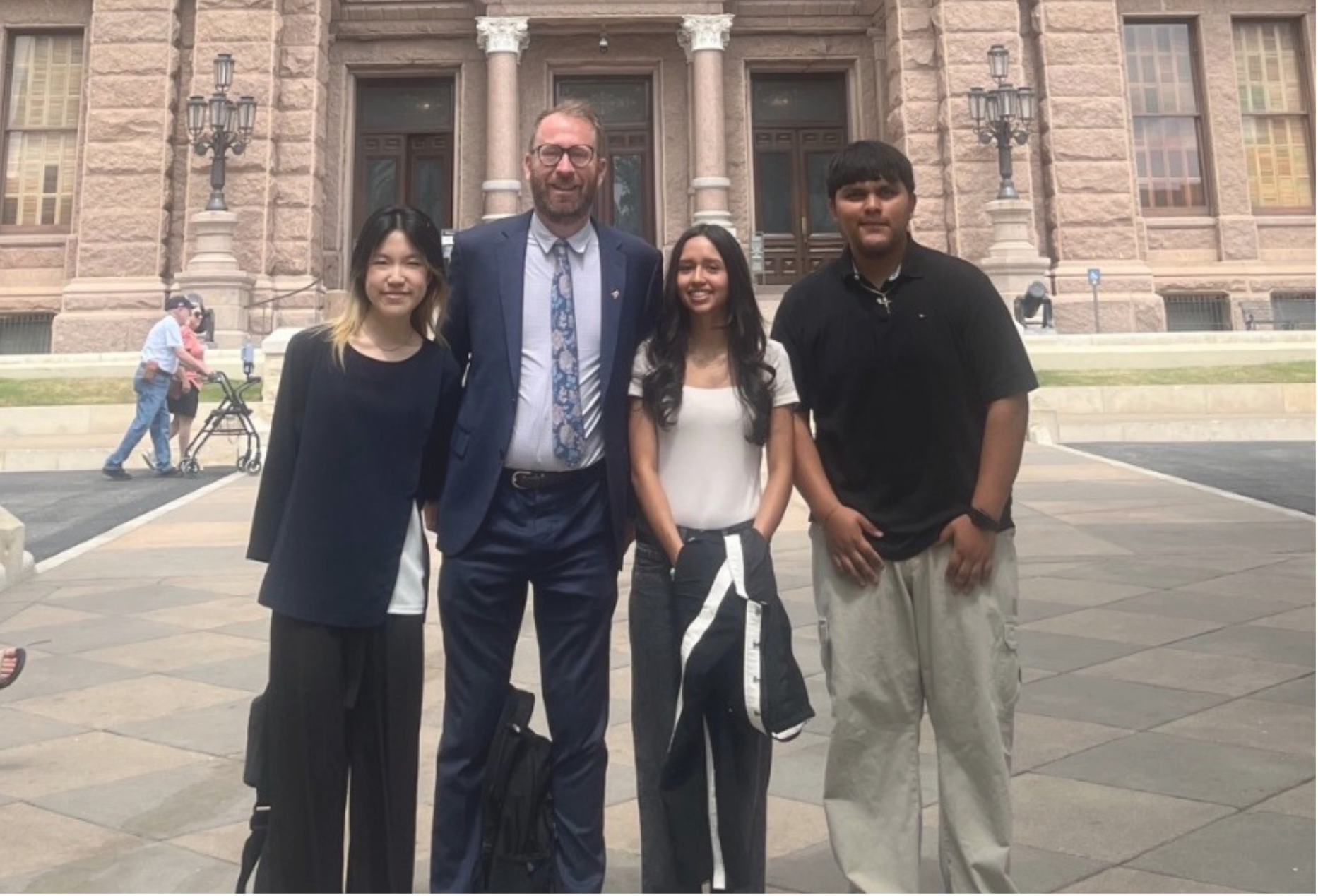
Environment Texas advocates for clean air, clean water, clean energy, and a livable climate through research, grassroots organizing, and policy work at the Texas Capitol. Working alongside the organization, this team took on one of Texas’s most persistent environmental threats: plastic pellet pollution in the state’s waterways. Students researched nurdle contamination, collected water samples from Austin waterways to test for microplastics, and lobbied Capitol staffers directly, bringing both data and personal stories to the table. Their advocacy helped elevate the regulation of plastic pellet discharge as a legislative priority.
This year’s team:
Evie (she/her), 15 · Luke Metzger (Mentor) · Andreina (she/her), 17 · Luis (he/him), 17 · Emaad (he/him), 16 (not pictured) · Safira (she/her), 17 (not pictured)
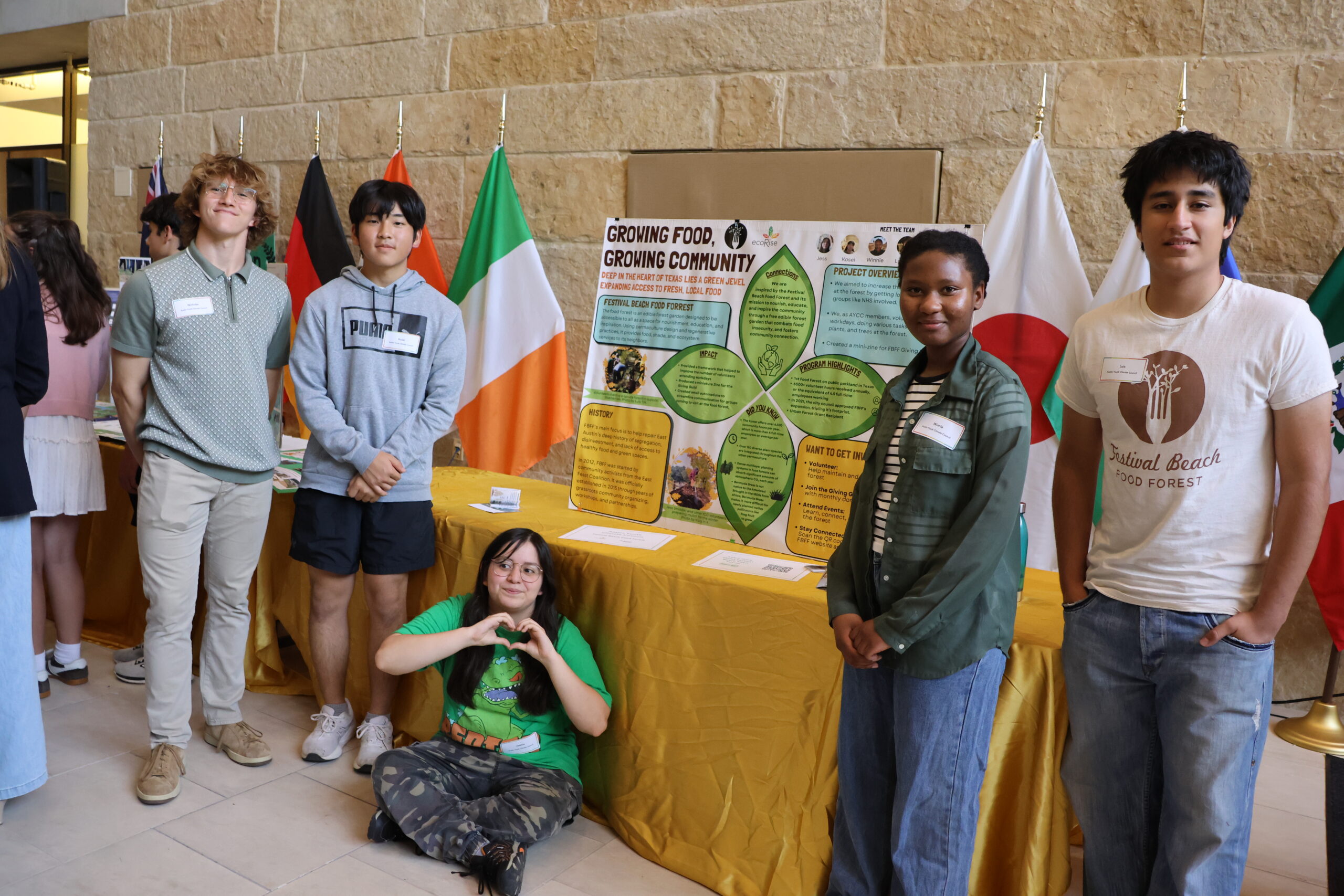
🍅 Festival Beach Food Forest: Growing Food, Growing Community
The Festival Beach Food Forest is Austin’s first food forest on public parkland and a cornerstone of community nourishment on the east side. This team set out to expand volunteer participation by engaging local high school service groups and streamlining outreach through email automation. Students volunteered on workdays, contributed to the forest’s upkeep, and produced a mini-zine for FBFF’s Giving Guild, deepening their connection to East Austin’s food access landscape.
This year’s team:
Nicholas (he/him), 15 · Kosei (he/him), 15 · Jessica (she/her), 17 · Winnie (she/her), 15 · Luis (he/him), 16 · Luciana (she/her), 17 (not pictured) · Nazario (he/him), 15 (not pictured)
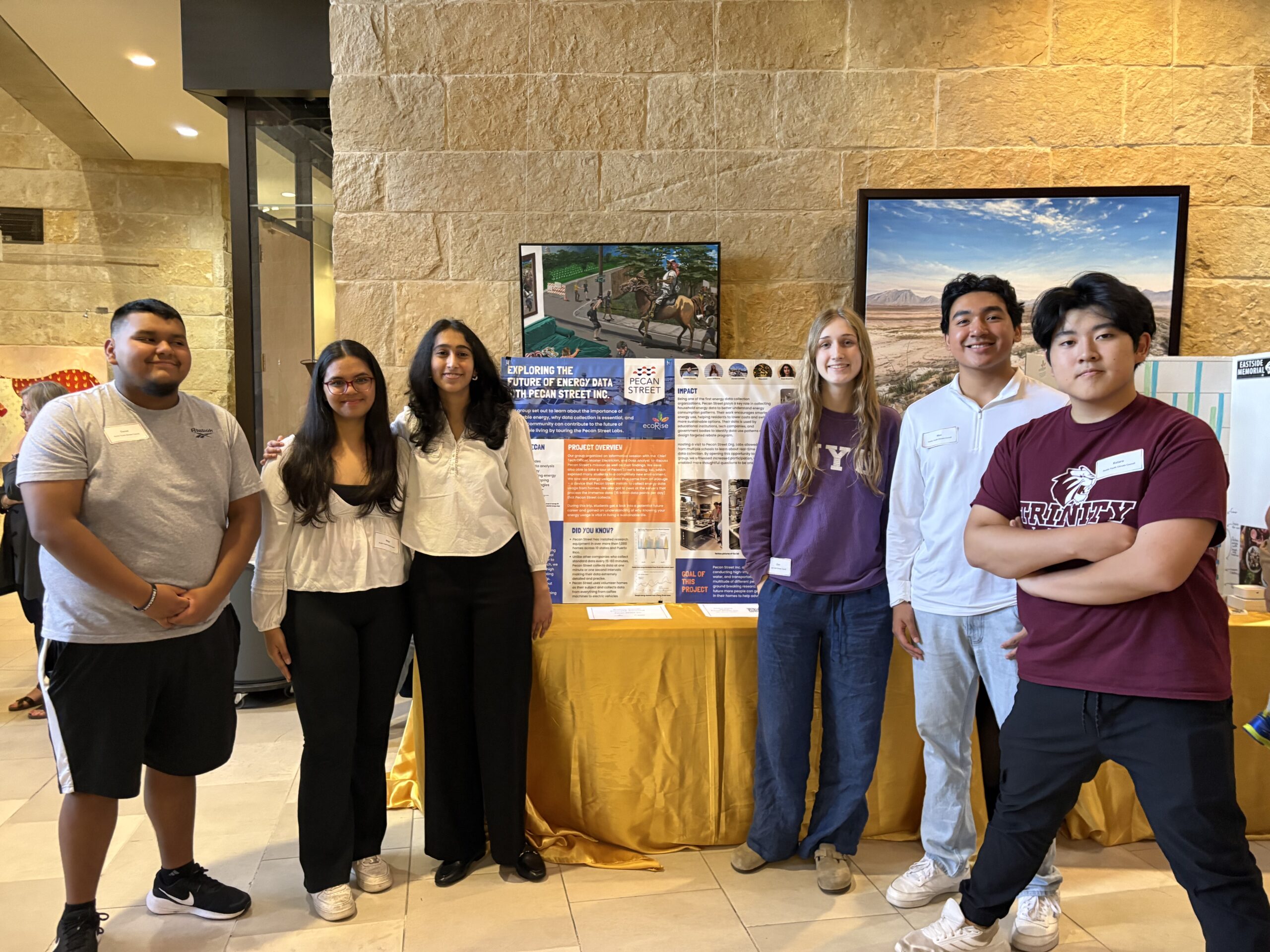
🔌 Pecan Street Inc.: Exploring the Future of Energy Data
Pecan Street Inc. is one of the only organizations in the world collecting granular residential energy data at one-second intervals, and this team got an inside look at how that data shapes the future of sustainable living. Students toured Pecan Street’s lab, met with the Chief Technology Officer, Master Electrician, and Data Analyst, and saw firsthand how energy usage patterns can guide smarter infrastructure decisions. By opening the visit to students from multiple schools, they expanded the reach of the experience and the depth of the questions asked.
This year’s team:
Daniel (he/him), 15 · Nitya (she/her), 17 · Zoya (she/her), 16 Clara (she/her), 17 · Maxwell (he/him), 17 · Kotaro (he/him), 17
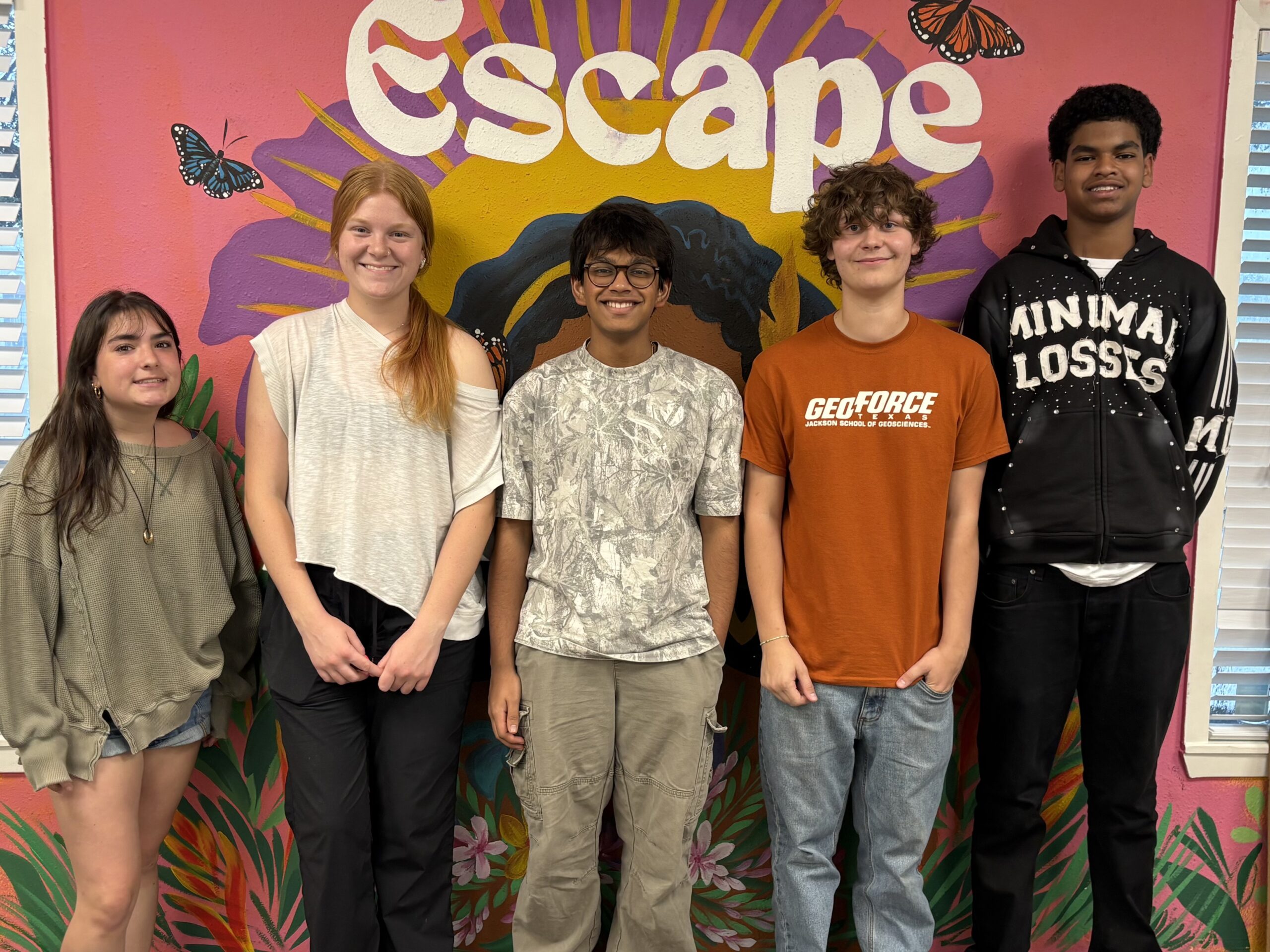
🌿 The Trail Conservancy: Enhancing Austin’s Biodiversity
Protecting the Ann and Roy Butler Hike-and-Bike Trail at Lady Bird Lake, The Trail Conservancy has been stewarding one of Austin’s most beloved green spaces since 2003. This team worked to broaden the Conservancy’s community reach by promoting their BioBlitz event, where participants use the iNaturalist app to identify local plant species along the trail. Students stationed themselves on the trail, engaged cyclists and pedestrians, and helped drive over 200 species observations submitted to iNaturalist on a single event day.
This year’s team:
Willow (she/her), 15 · Audrey (she/her), 17 · Eashan (he/him), 16 · Davis (he/him), 17 · Walieldien (he/him), 15 · Isadora (she/her), 16 (not pictured)
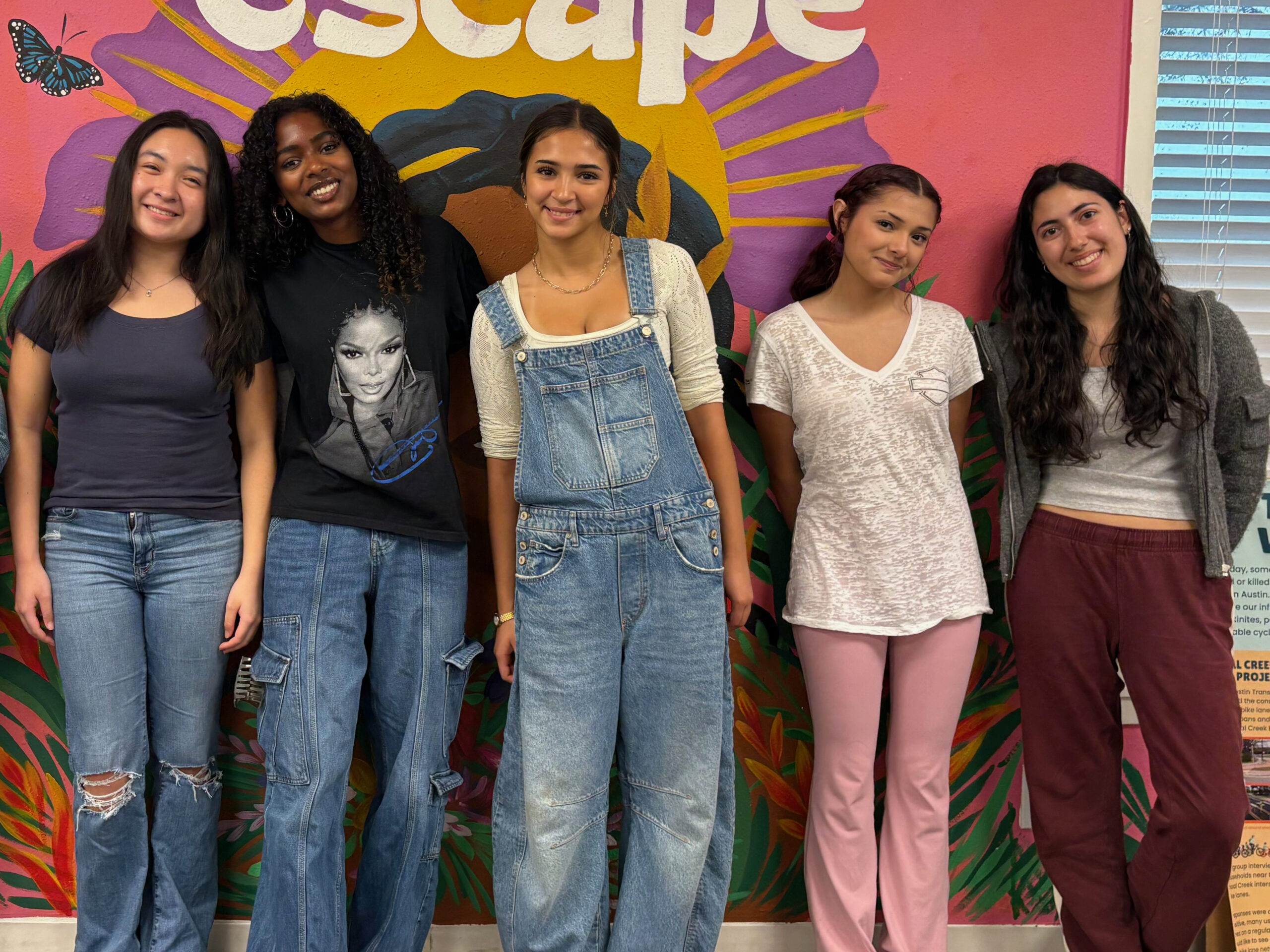
🤝 The Village Place (Black Mama’s Village ATX): When Community Comes Together
The Village Place began as a Facebook group in 2019 and has grown into a vital hub of mutual aid, cultural support, and resource distribution for Austin’s Black community. This team volunteered at the Village Place’s Free Store and Food Pantry, stocking shelves, managing inventory, and helping to shoulder the everyday weight of community care. Through regular participation, students came to understand the intersecting pressures facing mothers in Austin and left with a deeper commitment to showing up for their neighbors.
This year’s team:
Caitlin (she/her), 15 · Jazmin (she/her), 15 · Lilliana (she/her), 16 · Elda (she/her), 16 · Lexi (she/her), 18 · Maryam (she/her), 16 (not pictured)
🥬 Urban Roots ATX: The Farm Is Your Classroom
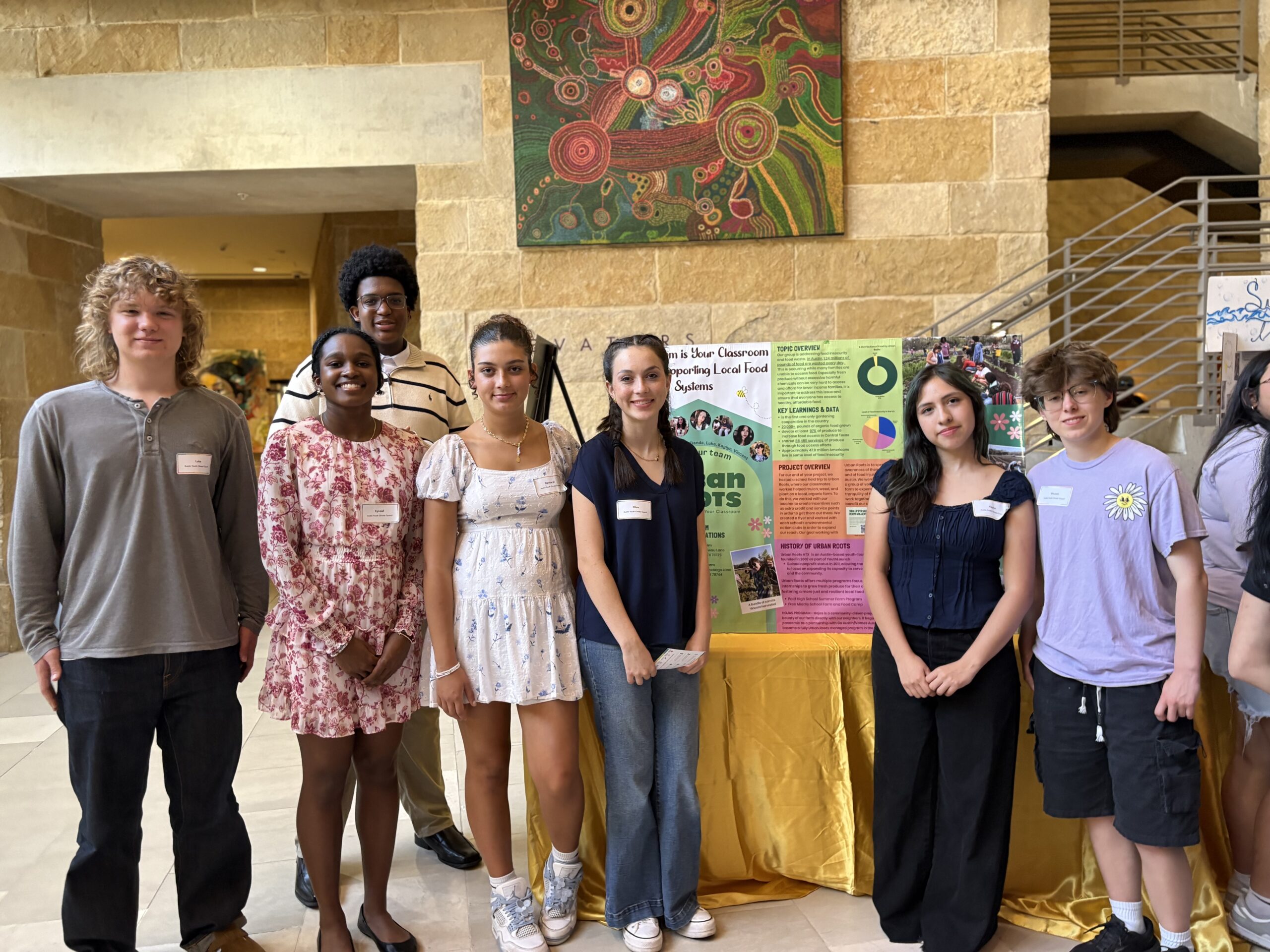
Urban Roots operates two farms in Austin with a mission to grow food, cultivate young farmers, and strengthen the local food system. This team visited the South Farm for a hands-on day of weeding, harvesting, and learning what it takes to run a sustainable urban agriculture operation. They also worked to recruit fellow students for volunteer days and connected with school action clubs to expand Urban Roots’ reach into new campuses.
This year’s team:
Luke (he/him), 17 · Kyndall (she/her), 16 · Joshua (he/him), 15 · Dandarah (she/her), 16 · Olive (she/her), 16 · Kaylyn (she/her), 17 · Vincent (he/they), 17
Rooted in Austin, Ready for What’s Next
Thirty-seven students spent a year learning that climate work is community work, and that the skills required to do it well are the same ones that carry into every room they’ll walk into after this: researching an issue, working across difference, showing up consistently, asking better questions. By year’s end, 88.4% reported growth in skills like research, teamwork, project planning, and presenting. As one Council member put it:
“The most important thing I learned is that students, no matter the age, can make change in the community.”
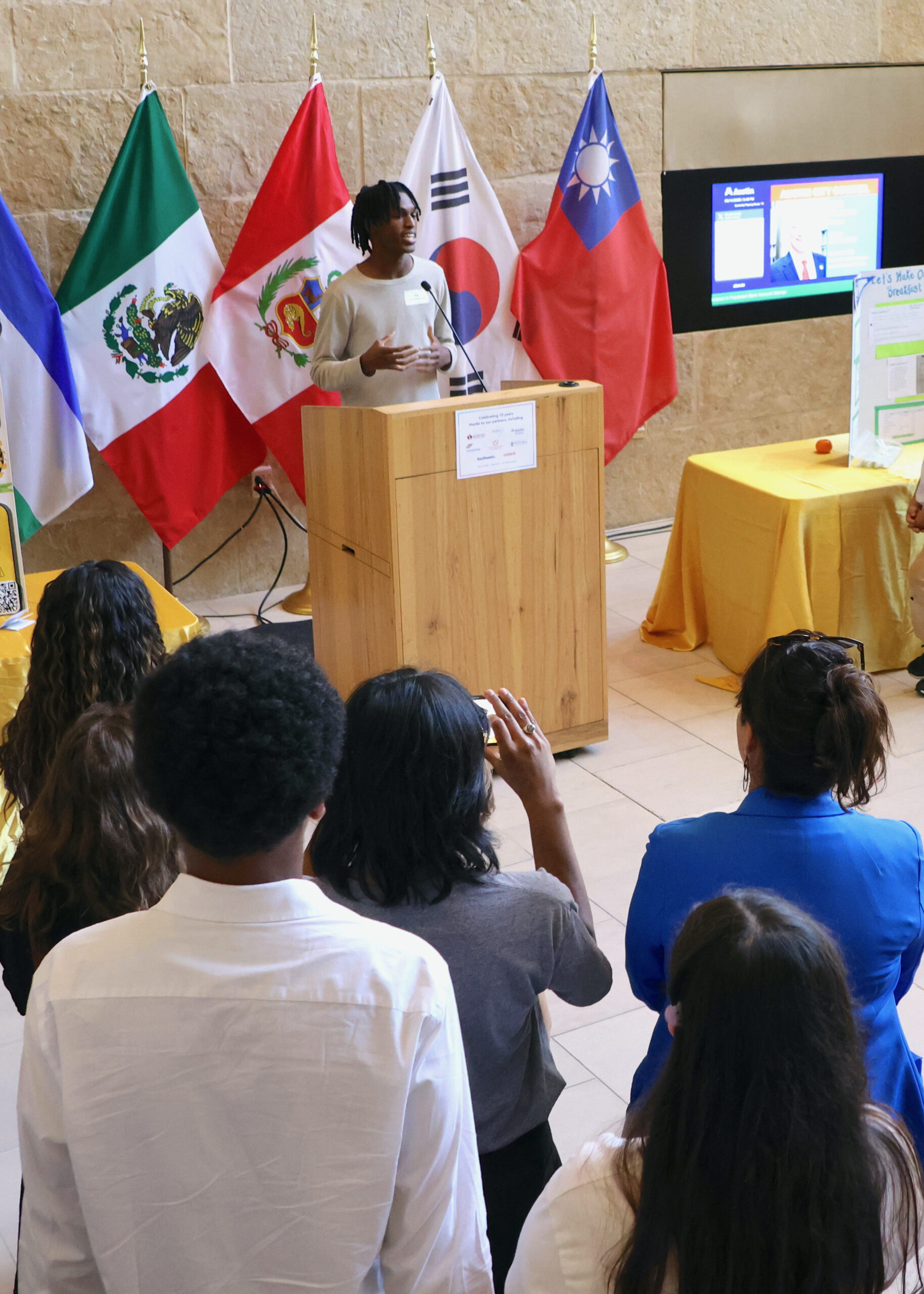
That learning came into full view at the 10th Annual Student Innovation Showcase at Austin City Hall, where Council members presented a year’s worth of work to peers, partners, and community members. Elijah Scott spoke on behalf of the Council, reflecting on the connections formed and the sense of ownership that comes from doing real work alongside real organizations.
 None of that happens in isolation. This year’s Council was shaped by the six organizations that opened their work to students: Environment Texas, Festival Beach Food Forest, Pecan Street Inc., The Trail Conservancy, The Village Place, and Urban Roots ATX. We’re also grateful to Austin Climate Action and Resilience for their investment in Austin’s young leaders and in the future they’re building.
To learn more about EcoRise’s youth leadership programs or get involved, visit ecorise.org/youth-climate-council or reach out to youthprograms@ecorise.org. Follow the Council’s work at @ecorise_youth on Instagram, and support next year’s projects at ecorise.org/donate.